Is Your Furnace Ready for a North Georgia Cold Snap? A Fall Furnace Maintenance Checklist
Author
Derek Granger
Date
October 9, 2026
North Georgia has a habit of skipping fall. One week you're running the AC, and the next you wake up to frost on the windshield and a house that's 58 degrees. That first cold morning is when furnaces that sat quiet all summer get asked to work hard, right away.
I'm Derek Granger, owner of Peach State HVAC in Dawsonville. This fall furnace maintenance checklist covers what you can check yourself in about 30 minutes, what our technicians look for during a tune-up, and the warning signs that mean it's time to call. Work through it now, and the first cold snap becomes a non-event.
Why the First Cold Snap Catches So Many Homeowners Off Guard
Your heating system has been sitting idle for five or six months. Dust settles on the burners. A mouse may have nested near the blower. The thermostat batteries are probably as old as last winter.
None of that shows up until you ask for heat, and around here everyone asks on the same morning. Our phones light up the first night temperatures drop into the 30s, because systems across Dawson, Forsyth and Hall County all kick on at once.
The good news: most of the problems we see on that first cold morning were visible weeks earlier. Small issues give warning signs. A fall check is how you catch them while scheduling is easy and nobody's shivering.
Your Fall Furnace Maintenance Checklist: What You Can Do Yourself
These are safe, simple steps for any homeowner. You don't need tools beyond a flashlight and maybe a screwdriver for the thermostat cover.
Start With the Air Filter
A clogged filter is the most common cause of a furnace that runs but doesn't heat well. It chokes airflow, makes the system work harder, and can cause the furnace to overheat and shut itself off.
Pull the filter and hold it up to a light. If you can't see light through it, replace it. Most 1-inch filters need changing every one to three months.
Test the Thermostat Before You Need It
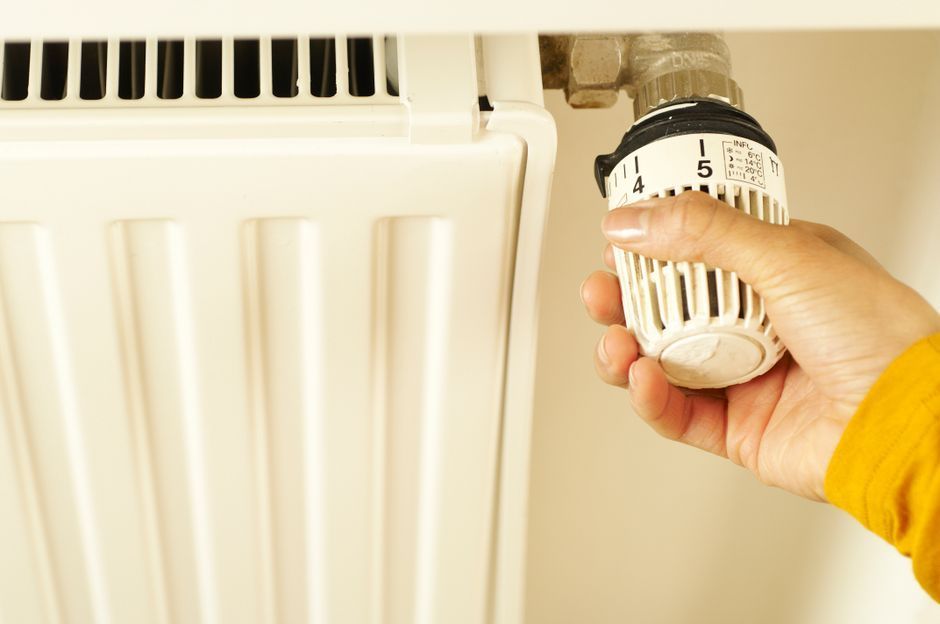
Don't wait for the cold morning to find out your heat doesn't come on. Switch the thermostat to HEAT and set it 3 to 5 degrees above the room temperature. You should hear the system start within a few minutes and feel warm air shortly after.
While you're there, replace the batteries if your thermostat uses them. A dead thermostat battery is a surprisingly common reason for a "no heat" call, and it's an easy fix.
Clear the Space Around Your Equipment
Furnaces need room to breathe. Move storage boxes, paint cans, laundry and anything flammable away from the unit.
If you have a heat pump, walk outside to the condenser. Clear leaves, pine straw and weeds from around the unit and off the top. North Georgia oaks and pines can bury an outdoor unit by Thanksgiving.
Check Your Carbon Monoxide and Smoke Detectors
Any home with a gas or propane furnace should have working carbon monoxide detectors, ideally on every level and near sleeping areas. Press the test button on each one. Replace batteries now, and replace detectors that are past the expiration date printed on the back.
🔧 Owner's Note: Run your heat for 15 minutes on a mild afternoon this month, with a window cracked. A faint burning-dust smell for the first few minutes is normal after a long summer off. If the smell lingers past half an hour or smells electrical, turn the system off and call us. If you smell gas, leave the house first and call your gas or propane provider from outside.
What a Professional Furnace Tune-Up Covers
Your checklist handles the basics. A professional furnace tune-up goes inside the equipment, where the safety and efficiency problems hide. It's the core of our heating and furnace repair services in Dawsonville every fall.
When our technicians perform a fall inspection, the visit typically includes:
- Inspecting the burners and flame for proper color and steady operation
- Checking the heat exchanger for cracks or corrosion
- Testing safety controls, limit switches and the flame sensor
- Cleaning and inspecting the ignition system
- Checking electrical connections and measuring motor amperage
- Inspecting the blower assembly and cleaning where needed
- Clearing the condensate drain on high-efficiency furnaces
- Verifying the thermostat is reading and cycling correctly
Every inspection is documented with photos, so you see exactly what we saw.
Why the Flame Sensor Matters So Much
One small part shows up again and again on cold-morning service calls: the flame sensor. It's a small metal rod that confirms the burners lit. When it gets coated with residue, the furnace lights, can't confirm the flame, and shuts down. Then it tries again. And again.
Homeowners describe it as "the heat comes on for a few seconds and quits." A tune-up cleans it before it strands you.
Heat Pump Owners: Your Fall Checklist Looks a Little Different
A lot of homes across Dawsonville, Cumming and Gainesville heat with a heat pump instead of a gas furnace. Heat pumps work in both summer and winter, so they never really get an off-season. Fall heat pump maintenance should include coil cleaning, refrigerant pressure checks and a test of the defrost cycle.
Learn what your EMERGENCY HEAT setting does. It switches to backup electric heat strips, which keep you warm but cost noticeably more to run. Use it only when the heat pump itself has a problem, and call for service when you do.
On frosty mornings, your outdoor unit may stop and release a cloud of steam. That's the defrost cycle melting ice off the coil. It's working as designed.
Warning Signs That Shouldn't Wait for Winter
Some things go beyond a checklist. Call for service if you notice any of these:
- Short cycling: the furnace turns on and off every few minutes
- Yellow or flickering burner flame instead of a steady blue
- Banging, scraping or squealing when the system starts
- Cold air from the vents with the thermostat set to heat
- Rising energy bills with no change in how you use the system
- Water pooling around a high-efficiency furnace
- CO detector alarms , which always mean get out and call for help
🛠️ Field Note: A cracked heat exchanger is one of the few furnace problems where we'll recommend replacing the system instead of repairing it. It can allow combustion gases into your living space, and it can't be safely patched. Most fall furnace issues are repairable, which is why it pays to know the exceptions.
Repair First: Our Approach to Your Heating System
When a furnace has a problem, the first question homeowners ask is, "Do I need a new one?" Usually, the answer is no.
Peach State HVAC has built its reputation in North Georgia on a simple rule: repair first, and replace only when it makes sense. We'll show you the repair before we ever talk about new equipment. If replacement is the smarter choice, because of age, repair costs or your utility bills, we'll lay out the options side by side with free estimates and financing available.
For homeowners who'd rather not think about any of this, our Peachy Comfort Club maintenance plans include two seasonal tune-ups a year, priority scheduling and no after-hours fees. When the first cold snap hits, members are already at the front of the line.
Warm Up to Winter, Not the Other Way Around
A fall furnace check takes less time than a trip to the hardware store, and it's the difference between a cozy first frost and a cold house full of space heaters. Change the filter, test the heat, clear the area, check your detectors, and schedule a professional tune-up before the rush.
Ready to get ahead of the cold? Schedule your fall furnace tune-up with our Dawsonville team or call (706) 968-3649. We serve homes from Dahlonega to Flowery Branch, and we answer 24/7 when you need us.
Fall Furnace FAQs
What's the best furnace maintenance checklist schedule for a North Georgia home?
Check your filter monthly, test your heat and detectors in early fall, and book a professional tune-up between late September and October. Mild weather makes testing easy, and appointments are easier to get. Waiting until the first freeze means competing with every homeowner whose system just failed.
Can a furnace tune-up lower my heating bills?
It can help. A clean filter, clean burners and a properly working blower let your furnace heat the house without running longer than it needs to. A tune-up also catches small problems, like a dirty flame sensor or a worn part, before they cause a breakdown or force the system to work harder all winter.